
Description
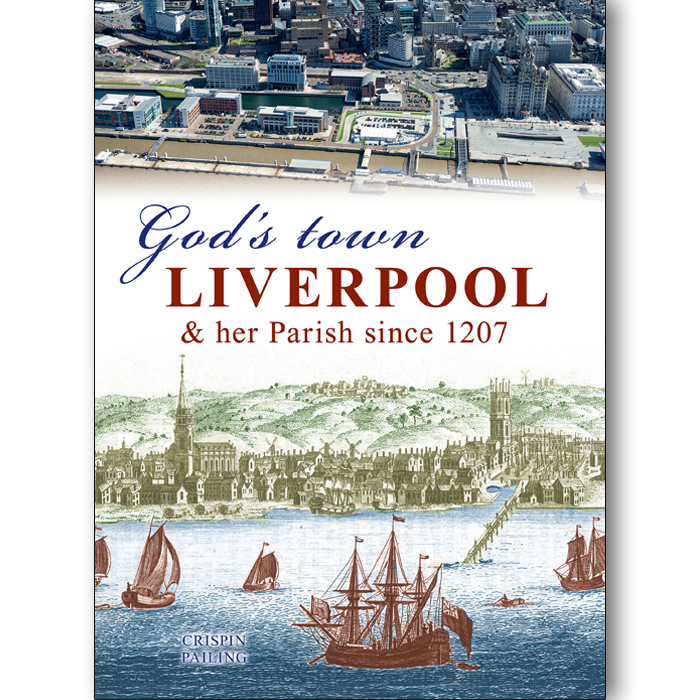
God’s Town: Liverpool & her Parish since 1207, a beautiful new book. Since the foundation of the town by King John, Liverpool has had a church by the river. Over the following centuries dozens more churches came and went, but the imprint of the activity of the Parish of Liverpool on the city and people was profound. Particularly until the mid-nineteenth century the history of the town was inseparable from her church, and their unusually strong relationship is not replicated in other cities. Control of the church sat with the corporation (down to the council’s instruction to the incumbent in 1612 to get his hair cut!). The town claimed ownership of the church and its contents. Between the seventeenth and nineteenth centuries the health and social care for the town was run from the church under the Elizabethan Poor Law. This unique portrayal of the relationship between the town and Parish of Liverpool draws on the extensive records which have survived, as well as archives which have not been examined in depth before.
As Liverpool developed from a small trading port to a thriving commercial centre, the church was both political pawn and civic leader. The town council took control of the church at the Reformation and elected the clergy annually, alongside the mayor and other officials, but by the eighteenth century the church controlled the town. Everything from the establishment of police and fire services, through to the building of the workhouse and the schools emanated from the Parish of Liverpool. As the infrastructure of the town became increasingly secular in the nineteenth century, the Parish found new roles, from memorialisation through to political agitation.
Author: Crispin Pailing
Imprint: Palatine Books
Binding: Paperback
ISBN: 978-1-910837-27-6
Extent: 256 pages
Format: 251 x 189 mm
Illustrations: over 120, colour
Pub. date: 21 November 2019


James Rees –
Originally published in North West Labour History Society Journal no.50.
This book focuses on the Liverpool Parish and its church, affectionately known as St Nicks. The author, Crispin Pailing, was appointed Rector overseeing the Parish in 2014. Ten years later in June 2024, Crispin resigned as rector in protest at the “structural discrimination” in the church against women and the LGBTQ+ community. As the book is a history of the Liverpool Parish, his experience and his principles make him well placed to write this history.
Crispin is nothing if not ambitious – plotting the history of the Parish and its relationship to the civil authorities from 1207 until today. His book is a well-researched and a detailed chronology of the events and the people involved in running the Parish. The cast includes many characters with different styles and personalities. Alongside the information about the church and its religious practices, there are many nuggets of information that add to the interest of the book. For example, Crispin explains how the rich burghers in the town would rent or buy pews in the church to ensure they and their families got the best seats. This gave the church an income but it culminated in a trade in pews, with pews being advertised for sale in the local papers!
Liverpool has developed from a small fishing village to a global commercial centre, and then more recently shrank back again. The city went through many stages and the relationships between church and town changed several times. This evolving relationship took place in the context of wider social changes which left the church struggling to cope with an increasingly diverse and secular people.
Unfortunately, the book gives only a most schematic view of this wider picture. The result is that momentous changes in society at large can only get cursory mention, while the impact within the parish gets detailed coverage. For example, while we learn that St Nick’s graveyard is the burial place of Liverpool’s first recorded black resident, the huge presence of slavery, the slave trade and trade in slave products in Liverpool history is barely felt. Similarly the tremendous struggles of the trade union and labour movement hardly get a mention.
The book is essentially a church history of a Parish and in this it does succeed in shining a light on St Nick’s history. However, it is not a book for someone looking for a history of Liverpool.